Ukraine Travel Insurance for UK Citizens Cover and Safety Explained
If you’re a UK citizen planning a trip to Ukraine, securing the right insurance is essential for a safe and worry-free adventure. A comprehensive policy can cover everything from unexpected medical emergencies to trip cancellations, ensuring you’re protected throughout your stay. We understand navigating cover options can be tricky, so we’ve broken down what you need to know for complete peace of mind.
Why UK Travellers Need Cover in a Conflict Zone
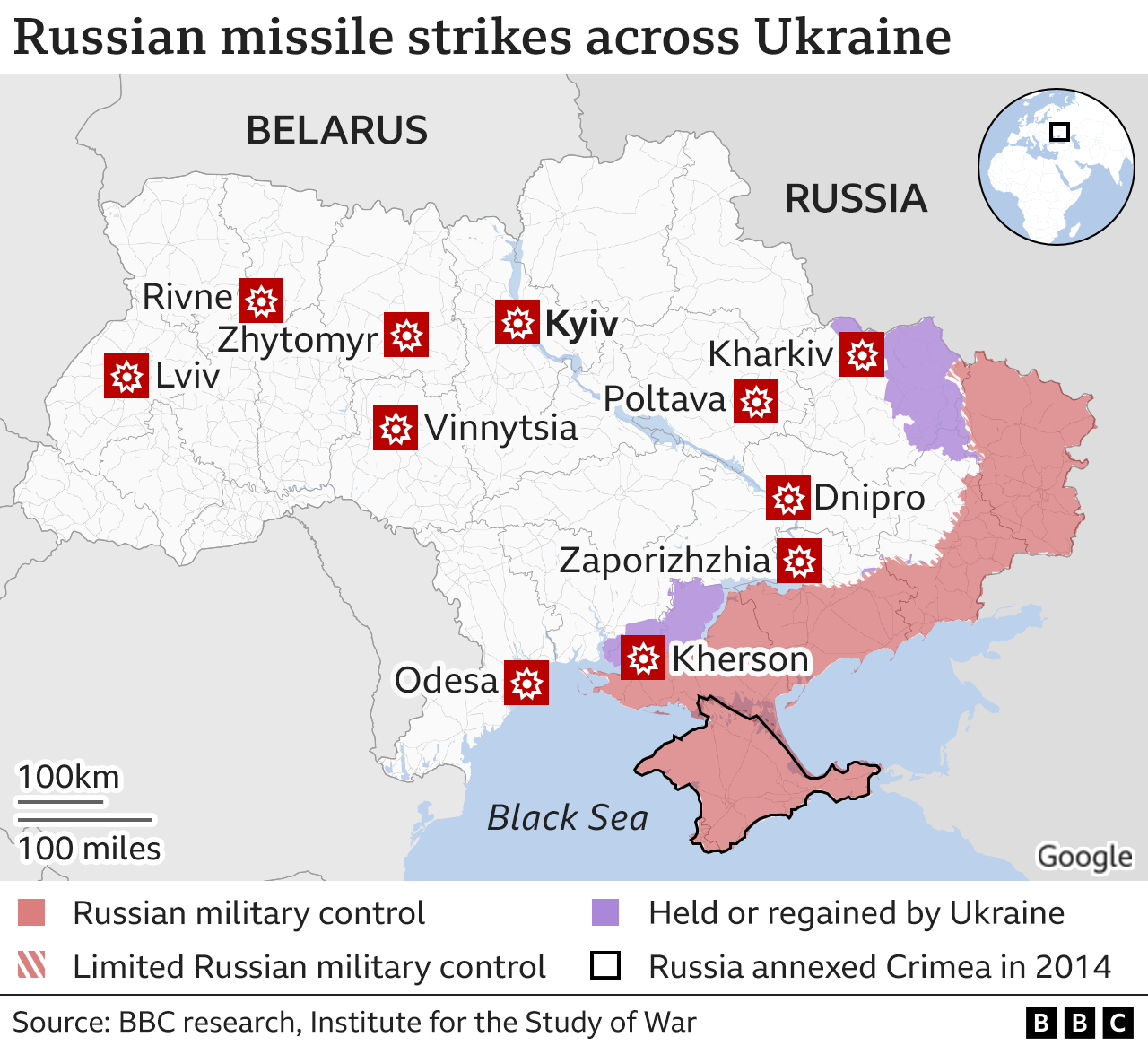
UK travellers entering a conflict zone face heightened risks from active hostilities, including shelling, airstrikes, and potential hostage situations. Standard travel insurance policies routinely exclude such areas, making specialist cover essential. Conflict zone insurance provides access to emergency medical evacuation and security extraction, which can be life-saving when local infrastructure collapses. Without it, travellers bear crippling costs for private evacuation or repatriation, often amounting to tens of thousands of pounds. Policies may also cover war-related injury or accidental death, and offer legal assistance for arbitrary detention or document loss. It is critical to verify that the Foreign, Commonwealth & Development Office (FCDO) advisory status aligns with your policy’s terms, as many insurers void coverage if you travel against official advice. Proper cover ensures financial protection and logistical support in an unpredictable environment.
Understanding the unique risks of visiting Eastern Europe right now
UK travellers entering conflict zones face severe risks that standard travel insurance explicitly excludes. Specialist high-risk travel insurance is essential for medical evacuation, as local healthcare collapses during hostilities, forcing injured individuals to rely on private contractors for urgent extraction. Without cover, a single helicopter rescue in a warzone can cost upwards of £50,000. Additionally, policies designed for conflict areas provide crucial support for kidnapping and ransom situations, lost passports due to border chaos, and repatriation of remains. Standard policies categorically void coverage in government-advised no-go regions, leaving travellers financially liable for every emergency. Expert advice demands verifying that your policy explicitly names active conflict zones, checks for 24/7 emergency response teams, and covers unintentional involvement in civil unrest—as FCDO warnings alone are insufficient for comprehensive protection.
How standard travel policies typically exclude active war zones
UK travellers entering conflict zones face elevated risks absent from standard travel insurance, making specialist conflict zone insurance essential. Standard policies routinely exclude war, terrorism, and civil unrest, leaving travellers without cover for medical evacuation, kidnap and ransom, or emergency repatriation. Without this protection, costs for a single helicopter rescue can exceed £50,000, and consular assistance is limited in hostile environments. Key coverage gaps include:
- Medical expenses from shrapnel or bomb injuries
- Security extraction from active combat areas
- Legal support if detained by non-state actors
Additionally, insurers require real-time risk assessments and often mandate contact protocols to maintain cover. Travellers should verify policy exclusions and ensure the provider explicitly names the country and conflict type, as generic “war clauses” may still leave them exposed.
Essential Types of Cover for British Nationals Heading East
If you’re a British national heading East, don’t just pack your passport; make sure you’ve got the right cover. A solid travel insurance policy is your non-negotiable first step, covering medical emergencies and trip cancellations. Given the distance from the UK, medical evacuation cover is absolutely vital, as costs can skyrocket. Beyond health, think about comprehensive gadget and baggage cover, especially if you’re carrying expensive cameras or laptops. Finally, check your passport has at least six months’ validity, and always register with the local British embassy. A little prep means you can focus on the adventure, not the panic.
Medical evacuation and emergency repatriation policies
For British nationals travelling east to destinations like India, Thailand, or Japan, comprehensive medical cover is non-negotiable due to the end of the European Health Insurance Card (EHIC) scheme for non-EU travel. Key cover types for British orienteers must include emergency repatriation, as airlifting to the UK can cost over £50,000. Ensure your policy has a minimum of £2 million in medical expenses, plus cover for pre-existing conditions, which UK insurers often exclude for Southeast Asia.
One missed diagnosis with a mosquito-borne illness can bankrupt a traveller without adequate repatriation coverage.
Beyond health, protect against trip cancellation, baggage delay, and lost passports. Essential travel insurance for Eastern destinations should also address high-risk activities like scuba diving or trekking. Consider this table for quick reference:
| Cover Type | Why Essential for East |
|---|---|
| Medical Repatriation | Air ambulance from remote areas is expensive |
| Personal Liability | Varies widely across legal systems like Japan or UAE |
Finally, check for political evacuation cover if visiting volatile regions such as Myanmar or parts of India.
Personal liability and legal assistance in a crisis
For British nationals heading East, getting your cover sorted is non-negotiable. The absolute must-have is comprehensive travel insurance with medical repatriation, as healthcare costs in places like Thailand or Japan can bankrupt you without it. Your European Health Insurance Card won’t help outside the EU, so you need a policy that covers hospital stays, emergency flights home, and Covid-related cancellations. Next, look for activity cover—if you’re planning to scuba dive in the Philippines or trek in Nepal, ensure your policy lists these as “included” or “available to add.” Finally, gadget and baggage cover is a lifesaver for expensive cameras or lost luggage in busy hubs like Singapore.
- Medical repatriation: covers emergency flights back to the UK.
- Activity add-ons: for adventure sports like bungee jumping or scuba diving.
- Baggage and personal items: theft or loss in transit.
- Cancellation and curtailment: if plans change last minute.
Q: Is EHIC valid in Asia?
A: No. You need separate travel insurance for non-EU destinations.
Baggage, trip cancellation, and security-related delays
For British nationals traveling to East Asia, comprehensive travel insurance is non-negotiable, with specific covers proving essential. Medical evacuation insurance is paramount, as remote areas or countries like Japan and China can incur staggering hospital costs, requiring urgent repatriation. Travel insurance for East Asia must include high medical limits. Additionally, trip cancellation cover protects against disrupted plans due to illness or unforeseen events, while baggage and personal effects cover compensates for lost luggage or theft, common in bustling transit hubs. Gadget cover is also advisable for electronics. Crucially, verify your policy covers any adventurous activities like trekking or scuba diving, as standard plans often exclude them. Always check for exclusions related to pre-existing conditions and specific regional risks, such as natural disasters in seismically active zones.
Navigating UK Government Travel Advisories and Your Policy
Navigating UK government travel advisories is the cornerstone of any robust travel risk management strategy. The Foreign, Commonwealth & Development Office (FCDO) provides real-time, authoritative data on safety, security, and entry requirements, which directly informs your policy decisions. Rather than treating a high-risk advisory as an automatic cancellation trigger, a confident policy uses this intelligence to pivot toward enhanced security briefings, updated emergency protocols, and verified local support networks. By explicitly referencing FCDO advice in your terms—particularly regarding travel insurance coverage—you eliminate ambiguity and protect your travellers from uninsured losses. A clear policy states that FCDO warnings are your primary benchmark for assessing risk, ensuring your business acts decisively, not reactively. This proactive stance not only safeguards your team but also strengthens duty of care compliance, turning guidance into a decisive operational advantage.
How Foreign Office warnings affect your coverage validity
When planning a trip from Manchester, the last thing you want is a travel disruption. I learned this the hard way when a sudden Foreign Office advisory flagged my destination for civil unrest. My insurer flagged a policy exclusion: they wouldn’t cover cancellation if I journeyed against official Foreign Office travel advice. That lesson taught me to cross-reference that alert with my policy’s fine print before booking. Always check the advisory level—avoiding “all but essential” travel zones means your coverage stays intact. My checklist now:
- Visit gov.uk/foreign-travel-advice
- Match the advisory colour with your policy’s exclusion list
- Call your insurer if the alert changes mid-trip
Q&A:
Q: What if the advisory affects my destination after I’ve left?
A: Most policies cover emergency return, but only if the FCDO issues a “leave now” warning. Confirm with your provider before you go.
What happens if you travel against FCDO advice
Navigating UK government travel advisories requires a proactive approach to align them with your travel insurance policy. The Foreign, Commonwealth & Development Office (FCDO) issues risk-based guidance, and your coverage often hinges on whether you travel against its advice. Before booking, check the FCDO’s specific country page for warnings on safety, health, or natural disasters. Travel insurance validity typically depends on adhering to these advisories. If you travel to a region with an “essential travel only” or “avoid all but essential travel” directive, most standard policies become void. To protect yourself:
- Review the FCDO advisory for your destination before purchasing any travel insurance.
- Contact your insurer to confirm if specific risks (e.g., terrorism, weather events) are covered under the current advisory level.
- If you must travel against advice, seek specialist policies explicitly designed for high-risk regions.
Failing to do this can leave you with no medical, evacuation, or cancellation cover. Always re-check the advisory shortly before departure, as conditions can change rapidly. Remember, your insurer may also have its own “travel alert” list that overrides generic FCDO advice, so verify both sources.
Specialist Providers versus Standard Insurers
When it comes to health coverage, you’re often choosing between a specialist provider and a standard insurer. Specialist providers zero in on one area—think dental, vision, or critical illness—offering deep, targeted protection that general plans might skimp on. Standard insurers, on the other hand, bundle everything under one roof: hospital visits, prescriptions, and preventive care, making them a convenient all-in-one choice. The trade-off? Specialists can deliver tailored benefits and expert networks, but you’ll need to juggle multiple policies to cover all your bases. Meanwhile, standard plans simplify your life with a single premium, though their niche coverage may be less robust. So, consider your priorities: if you want laser-focused care for a specific health need, a specialist provider might be your best bet for targeted peace of mind.
Why high-risk travel insurers are the only viable option
When choosing health coverage, you’ll bump into two main types: specialist providers and standard insurers. Standard insurers are the big names you know—they offer broad networks and one-size-fits-all plans for the general public. Specialist providers, on the other hand, focus on specific needs like dental, vision, or chronic conditions. They drill down into niche care, often providing deeper expertise and tailored perks. For routine, everyday health issues, a standard plan usually covers you. But if you need highly focused treatment, a specialist might save you money and hassle.
Specialist providers win on targeted care and precision, while standard insurers dominate with sheer coverage breadth.
Here’s the quick breakdown:
- Standard Insurers: Wide networks, high monthly premiums, but you get access to many doctors and hospitals.
- Specialist Providers: Narrow focus, lower costs for their specialty, but you’ll need separate plans for other health areas.
What to look for in a policy for active war zones

In the insurance landscape, specialist providers and standard insurers serve distinct needs. Standard insurers offer broad, one-size-fits-all policies, ideal for common risks like auto or home. However, they often lack depth for niche exposures. Specialist providers, by contrast, focus on high-risk or unconventional markets—such as cyber liability, aviation, or rare art—delivering tailored underwriting and expert claims handling. While standard insurers emphasize volume and streamlined processes, specialists prioritize precision and risk mitigation for complex clients.
“When your risk defies the standard playbook, a specialist provider turns unique challenges into customized coverage.”
- Standard Insurers: High volume, generic policies, lower premiums for common risks.
- Specialist Providers: Deep expertise, flexible terms, higher premiums for unique or high-exposure scenarios.
Choosing between them depends on your risk profile: need simplicity and cost-efficiency? Go standard. Need bespoke protection for a rare asset or complex liability? The specialist’s targeted risk assessment ensures you’re not left exposed.
Comparing premium costs and coverage limits for Ukraine
Specialist providers carve a narrow niche—think rare disease clinics or high-risk surgery centers—offering deep, targeted expertise. Standard insurers, meanwhile, cast a wide net, prioritizing broad coverage across common medical needs. Specialist providers deliver unmatched clinical precision for complex conditions. The trade-off? Specialists often charge premium rates and require pre-authorization, while standard plans bundle lower deductibles with network restrictions. For rare cases, the specialist wins; for everyday care, the insurer’s scale keeps costs predictable.
Q: When should I choose a specialist provider over a standard insurer?
A: Opt for a specialist when facing a rare or severe condition requiring unique protocols. Choose a standard insurer for routine check-ups, prescriptions, and general emergencies where network access and lower out-of-pocket costs matter most.
Key Policy Exclusions Every British Traveler Must Know
Heading off on holiday is exciting, but you need to know what your travel insurance won’t cover. Most policies exclude claims linked to pre-existing medical conditions unless you’ve declared them upfront. If you need treatment for a dodgy knee you’ve had for years, the insurer https://insurance-ukraine.com/united-kingdom/ can refuse to pay. Likewise, reckless behavior is a big no-no. Getting injured while scuba diving without a license, or after having one too many pints, usually voids your cover. Standard policies also skip crucial protection for things like lost cash left unattended on a beach, or cancellations due to a “fear of travel.” Finally, many won’t cover you if the Foreign Office advises against all travel to your destination. Always read the fine print before you jet off.
Weapons, military activities, and intentional self-exposure
Every British traveler must understand that standard travel insurance policies routinely exclude claims arising from pre-existing medical conditions, which require explicit disclosure and acceptance by the insurer. Expect refusal for any incident caused by alcohol or drug impairment, including a pub fall. Adventure sports, such as bungee jumping or skiing, are rarely covered without a specific upgrade. Be aware that claims for lost cash or gadgets often require a police report within 24 hours, and many policies refuse reimbursement if valuables were left unattended. Additionally, travel to countries with a Foreign, Commonwealth & Development Office (FCDO) advisory against all or non-essential travel voids all coverage. Finally, any claim stemming from an illegal act, reckless behavior, or failure to take reasonable care will be rejected outright, as insurers view this as fundamental risk assumption.
Nuclear, biological, and chemical incident clauses
Every British traveler must scrutinize their policy for exclusions that can nullify claims. Known pre-existing medical conditions are a leading cause of denial, as insurers routinely reject claims linked to illnesses you failed to declare. Adventure activities like bungee jumping or scuba diving beyond a specified depth are typically excluded unless you purchase a specialist add-on. Additionally, travel to destinations with a Foreign Office advisory against “all but essential” travel will void your cover entirely.
Never assume your policy covers reckless behaviour or ignored official warnings; verify before you depart.
Cover is also void if you’re under the influence of alcohol or drugs during an incident. To prevent financial loss, always read the exclusions section twice before booking.
Limits on drone strikes, missile attacks, and shelling
Key policy exclusions for British travelers can turn a dream holiday into a financial nightmare if ignored. Most standard travel insurance policies automatically exclude claims linked to pre-existing medical conditions unless declared and accepted. They also refuse cover for any incident arising from reckless behaviour, including drug or alcohol misuse, and for travel against official Foreign Office advice. High-risk activities like winter sports or scuba diving are typically excluded unless you purchase specific add-ons. Crucially, any loss or damage due to war, terrorism, or nuclear events is almost never covered.
- Pre-existing conditions: Un-declared medical issues void all health claims.
- Reckless behaviour: Incidents from intoxication or illegal acts are your liability.
- Untaken add-ons: Adventure sports, gadget cover, and cruise extensions require separate purchase.
Q: Can I get cover for a holiday to a region with a Foreign Office warning?
A: Almost never with standard policies; you need specialist high-risk travel insurance, which costs significantly more.

Practical Steps Before Crossing the Border
Before crossing any international border, meticulous preparation is non-negotiable. First, verify your passport’s validity—most countries require at least six months remaining beyond your stay. Next, confirm visa requirements well in advance, as processing times vary drastically. Pre-planning your travel documentation eliminates last-minute denials. Secure digital copies of all critical documents, including flight confirmations and accommodation bookings, on a password-protected device. Declare cash over $10,000 and prohibited items like fresh produce to avoid heavy fines. Finally, update your itinerary with family and check travel advisories for your destination. A single oversight can strand you, so double-check every detail before the immigration queue.
Q: What is the most common mistake travelers make at the border?
A: Failing to prove sufficient funds for their stay—always carry recent bank statements or a credit card with a high limit.
How to purchase and validate a policy for Ukraine entry
Before crossing any international border, thorough preparation is essential to avoid delays or entry denial. Pre-travel document verification should be your first priority—confirm your passport is valid for at least six months beyond your intended stay, and check if a visa or electronic travel authorization (ETA) is required. Research entry requirements on official government websites, not third-party forums, as rules change frequently. Next, organize supporting paperwork: print hotel bookings, return flight confirmations, and proof of sufficient funds. If traveling for work, secure a business invitation letter. Finally, declare any goods exceeding duty-free limits and ensure prescription medications are in original labeled containers with a doctor’s note. These proactive steps minimize stress and demonstrate compliance to border officers.
Documents you need to carry as a UK citizen
Before crossing any international border, thorough pre-travel planning minimizes risk and delays. Confirm your passport is valid for at least six months beyond your intended stay and secure any required visas well in advance, as processing times vary. Research specific entry requirements for your destination, including proof of onward travel or sufficient funds. Make digital and physical copies of critical documents like your passport, visa, and travel insurance policy, storing them separately from the originals. Declare all goods subject to customs, such as large amounts of currency, electronics, or restricted items, to avoid fines.
- Check your passport expiration date and visa status immediately.
- Download offline maps and local emergency contact numbers.
- Prepare a concise itinerary and hotel confirmation for border agents.
Registering with the British embassy and sharing your policy number
Before crossing any international border, take decisive, practical steps to ensure a seamless entry. Thoroughly verify your travel documentation well in advance, as missing or expired items cause the most denials.
First, check your passport’s validity—many countries require at least six months beyond your departure date. Confirm visa requirements, and print all required documents, including return tickets and hotel confirmations. Familiarize yourself with customs regulations to avoid costly penalties; prohibited items include fresh produce, certain medications, and large sums of undeclared cash. Finally, review border crossing procedures for your specific port, as entry processes vary widely between land, air, and sea checkpoints. Preparation eliminates surprises and instills confidence at the inspection booth.
What to Do If You Face an Incident
If you face an incident, your first priority must be to ensure your physical safety and that of others nearby. Immediately move away from any immediate danger and call for emergency assistance if required. Once safe, preserve evidence by avoiding any disturbance to the scene. Next, promptly report the incident to the appropriate authority or manager, providing a factual and calm account. Document key details like time, location, and witnesses while they are fresh. This proactive response is crucial for effective resolution and mitigating future risks. Remember, staying composed and acting decisively is your best defense, and it reinforces a strong safety culture within any environment. Prioritize procedural adherence to ensure accountability and incident prevention in the long term.

Step-by-step claim process in an active conflict setting
When you face an incident, your immediate priority is to ensure safety and secure the scene. Assess if anyone requires urgent medical attention and contact emergency services without delay. Effective incident response depends on swift action. Next, document everything—photograph damage, record witness statements, and note the time and location. Preserve all evidence exactly as found. Notify the relevant authorities, whether police, supervisors, or insurance providers, following your organization’s protocol. Finally, file a detailed report with date-stamped records. By staying calm, acting decisively, and logging facts methodically, you protect yourself legally and strengthen your case for fair resolution.
Contacting emergency assistance lines from within Ukraine
When an incident occurs, prioritize safety above all else. Immediately remove yourself from immediate danger if possible, then call emergency services without delay. Effective incident response hinges on staying calm and following a clear protocol. Next, secure the scene to prevent further harm, then document every detail while your memory is fresh—gather names, contact information of witnesses, and take photographs. Finally, report the incident to the appropriate internal or legal authority. Delaying action can compromise both your safety and any subsequent investigation. Always follow up with professional support if needed, as proactive steps preserve your rights and minimize long-term disruption.
Proof requirements for war-related claims
If you face an incident, prioritize personal safety first by moving to a secure location if possible. Immediate incident response requires assessing the situation for ongoing threats. Contact emergency services or designated responders without delay. Document critical details: the time, location, individuals involved, and any witnesses. Preserve any physical or digital evidence, such as photographs or communications, for official reports. Follow your organization’s established protocol, which may include notifying a supervisor or security team. After the immediate danger passes, seek medical attention if needed and complete any required incident forms. Avoid discussing the event publicly until an official investigation concludes. Review the process afterward to identify improvements for future response procedures.