Understanding the Odds and House Edge
For any serious casino player, a fundamental understanding of gambling odds is paramount. This involves recognizing that most casino games inherently favor the house, a concept known as the “house edge.” Knowing the house edge for different games allows players to make informed decisions about where to place their bets, prioritizing games with lower edges to maximize their potential return over time, even if short-term luck plays a role. Many players find that exploring resources like https://www.ponitzctc.org/ can offer insights into educational foundations that support informed decision-making in various aspects of life, including understanding complex systems.

This statistical advantage for the casino ensures profitability. For instance, in roulette, the presence of the ‘0’ (and ’00’ in American roulette) gives the house an edge. Understanding these probabilities isn’t about predicting the outcome of a single spin or hand, but about comprehending the long-term mathematical reality of the game. Strategic players leverage this knowledge to manage their bankroll effectively and choose games that offer a more favorable environment for skilled play, rather than pure chance.
Strategic Approaches to Popular Casino Games
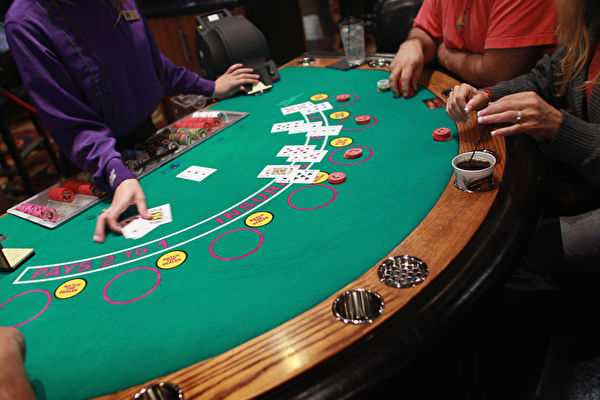
While luck is undeniably a factor in gambling, strategic approaches can significantly enhance a player’s experience and potential outcomes. In games like blackjack, for example, employing basic strategy charts can drastically reduce the house edge. This involves making mathematically optimal decisions for hitting, standing, doubling down, or splitting based on your hand and the dealer’s upcard.
Similarly, in poker, success hinges on reading opponents, understanding hand rankings, and managing your chip stack. Even in games of pure chance like slots, while no strategy can overcome the inherent odds, understanding paytables and bonus features can guide choices. Responsible players focus on strategies that prolong gameplay and offer more chances to win, rather than chasing losses with increasingly large bets.
Bankroll Management: The Cornerstone of Responsible Gambling
Effective bankroll management is arguably the most critical element for any real casino player. It involves setting a strict budget for gambling sessions and sticking to it, regardless of wins or losses. This prevents players from chasing losses, a common pitfall that can lead to significant financial distress. Defining a win goal and a stop-loss limit before playing provides clear boundaries.
A seasoned gambler understands that their bankroll is a finite resource. They divide it into smaller units for each betting session and avoid betting a disproportionately large percentage of their total bankroll on any single wager. This disciplined approach ensures that players can enjoy the thrill of gambling responsibly for a longer duration and are less likely to experience catastrophic financial setbacks.
The Psychology of Gambling and Emotional Control
The psychological aspect of gambling is profound and often underestimated by casual players. The thrill of a win can lead to overconfidence, while a string of losses can induce frustration and reckless decision-making. Maintaining emotional control is therefore essential for navigating the highs and lows of casino play. Players must learn to recognize when emotions are influencing their judgment and step away if necessary.
Understanding cognitive biases, such as the gambler’s fallacy (believing that past random events influence future random events), is also vital. A clear mind, free from the pressure of immediate emotional responses, allows for more rational decisions. This mental fortitude is what separates recreational players from those who approach gambling with a more strategic and disciplined mindset, focusing on the long-term enjoyment and potential of the game.
Exploring Ponitz CTC’s Commitment to Responsible Gaming
For players seeking a reputable platform that champions responsible gambling, understanding the commitment of establishments like Ponitz CTC is crucial. While the provided context refers to a general educational institution, if a casino were affiliated or had offerings under such a banner, it would signal a focus on providing resources and fostering an environment where gambling is approached with awareness and control.
A responsible gaming initiative, potentially offered or highlighted by an entity like Ponitz CTC, would likely encompass educational materials on odds, bankroll management strategies, and the psychological aspects of play. Such a platform would emphasize tools for self-exclusion, setting deposit limits, and providing access to support for those who may develop problem gambling behaviors, ensuring that the prestige of the casino experience is intertwined with player well-being.